Recently, I traveled to Western Azerbaijan to explore Ganja – a city where history is literally absorbed into the walls of every building. As one of the oldest cultural hubs in the Caucasus and the birthplace of the legendary poet Nizami Ganjavi, Ganja’s heritage is felt at every turn. Here, medieval strength coexist wonderfully with elegant 19th-century architecture and vibrant modern street art.
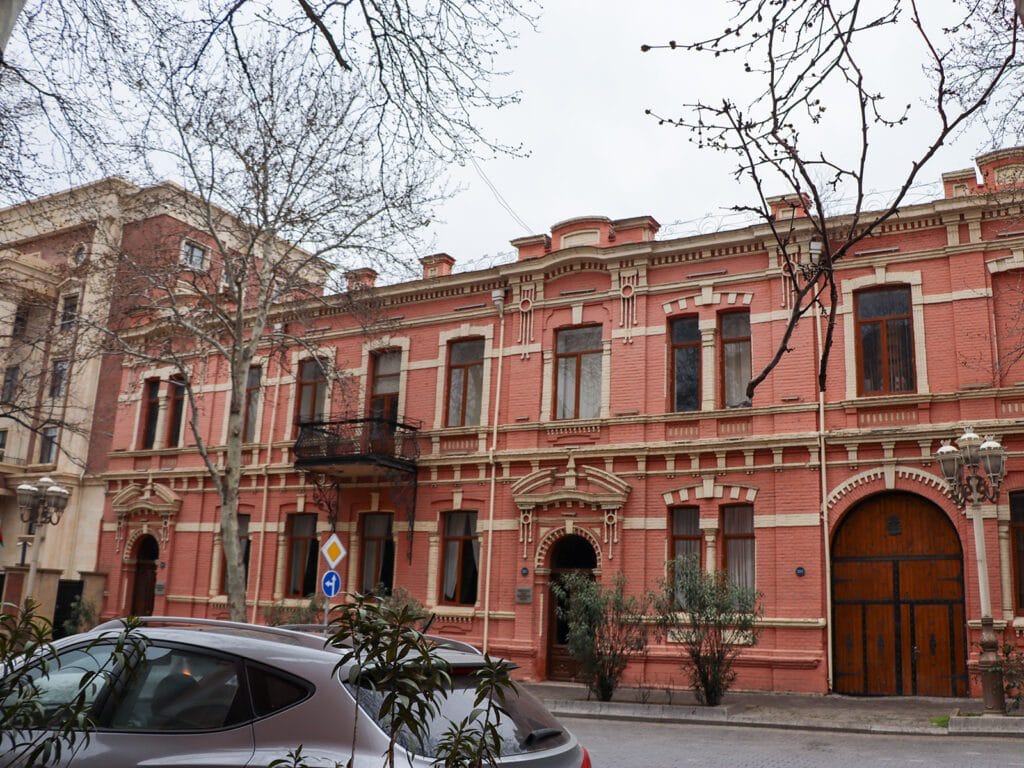
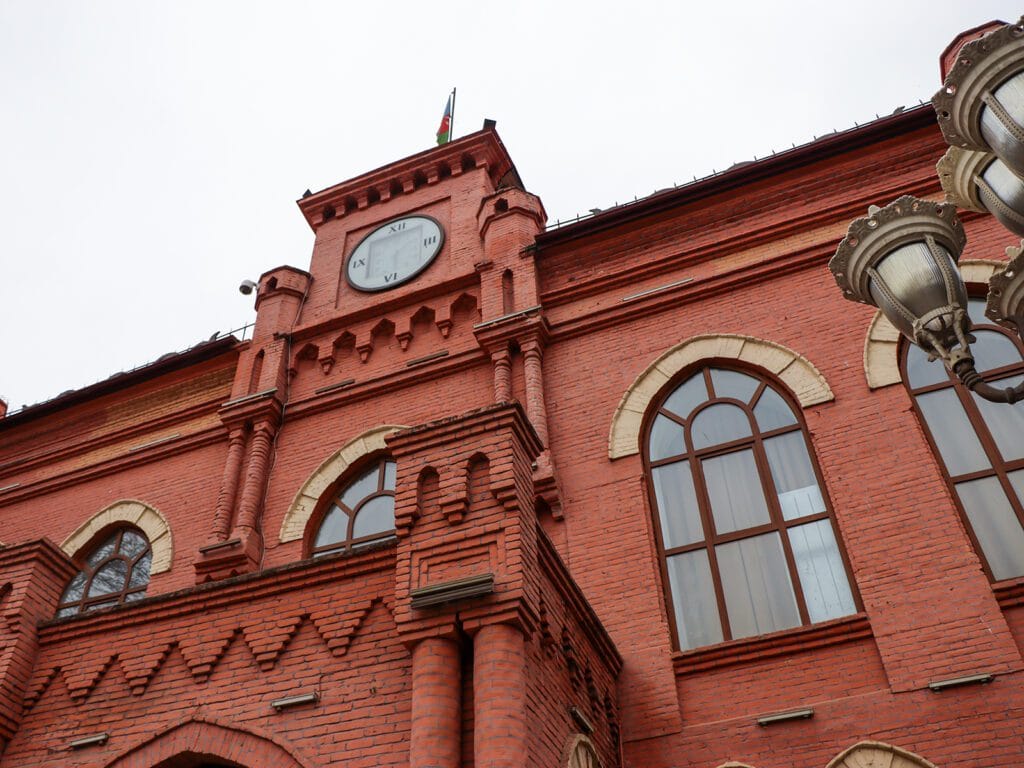
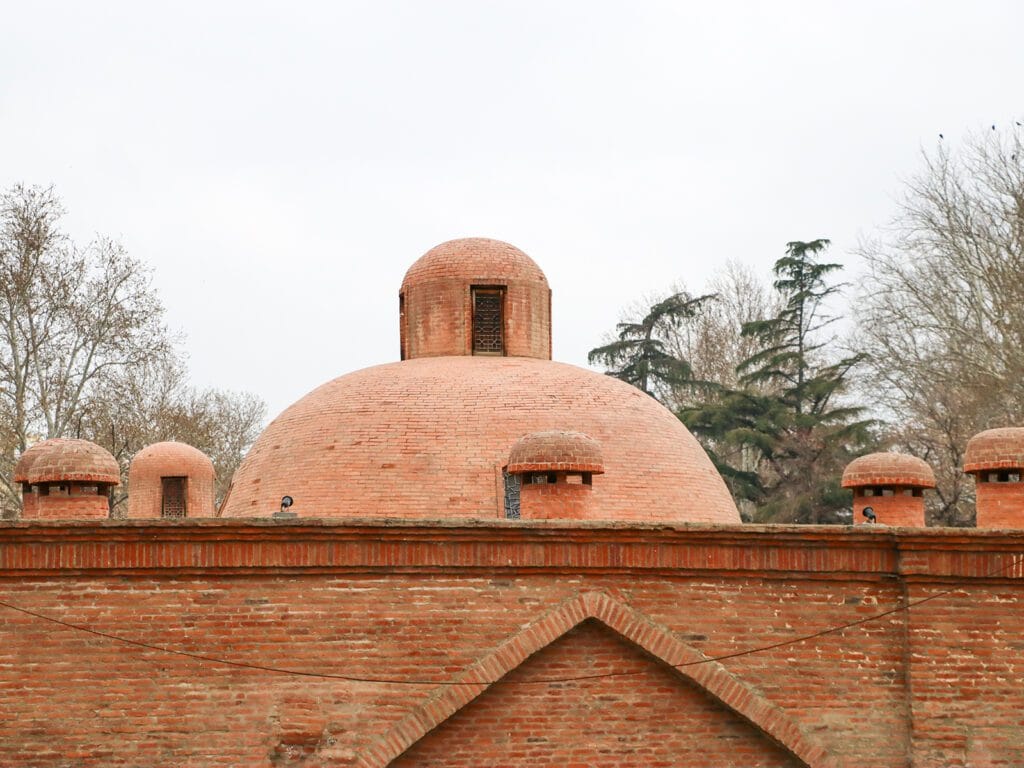
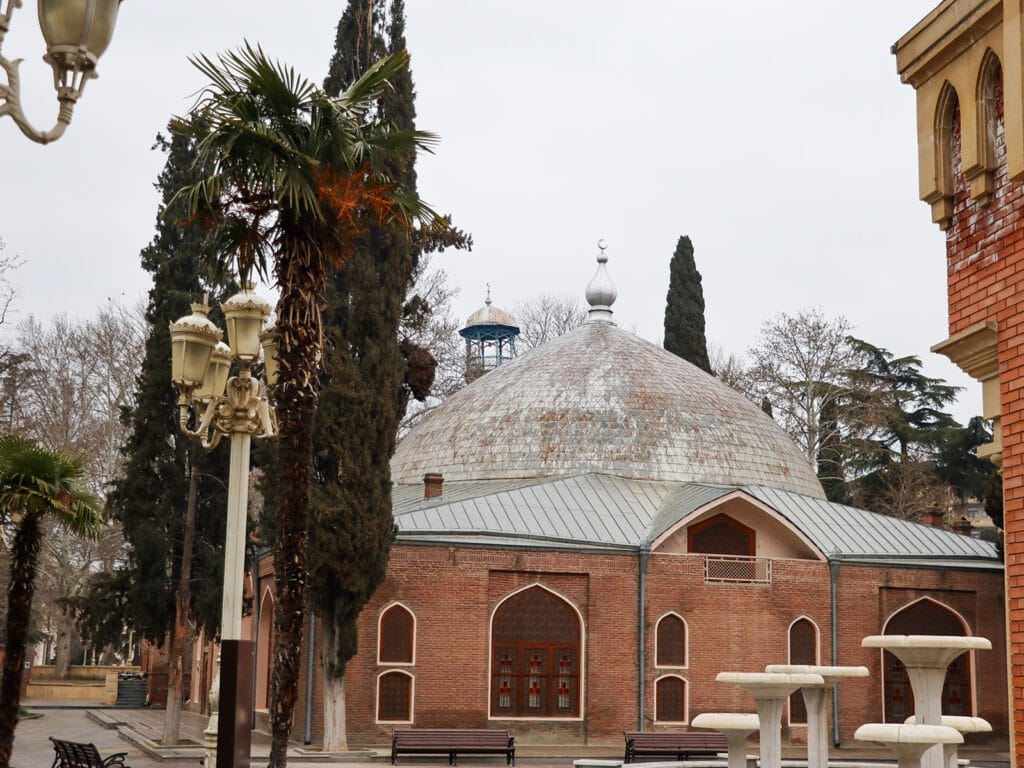
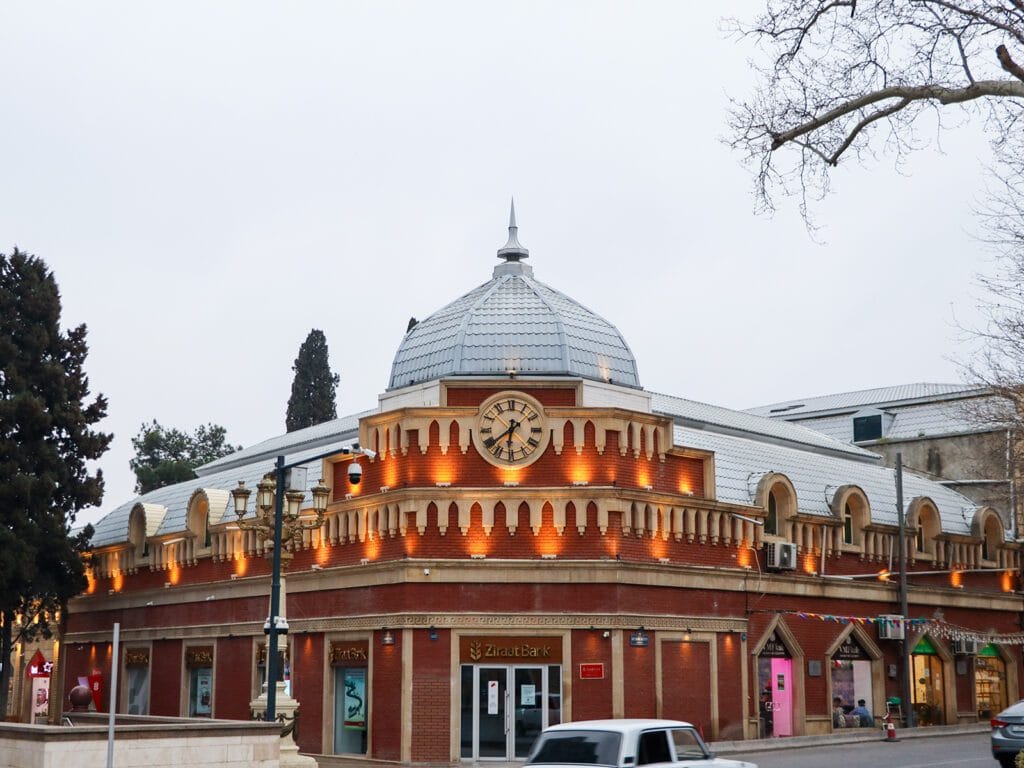
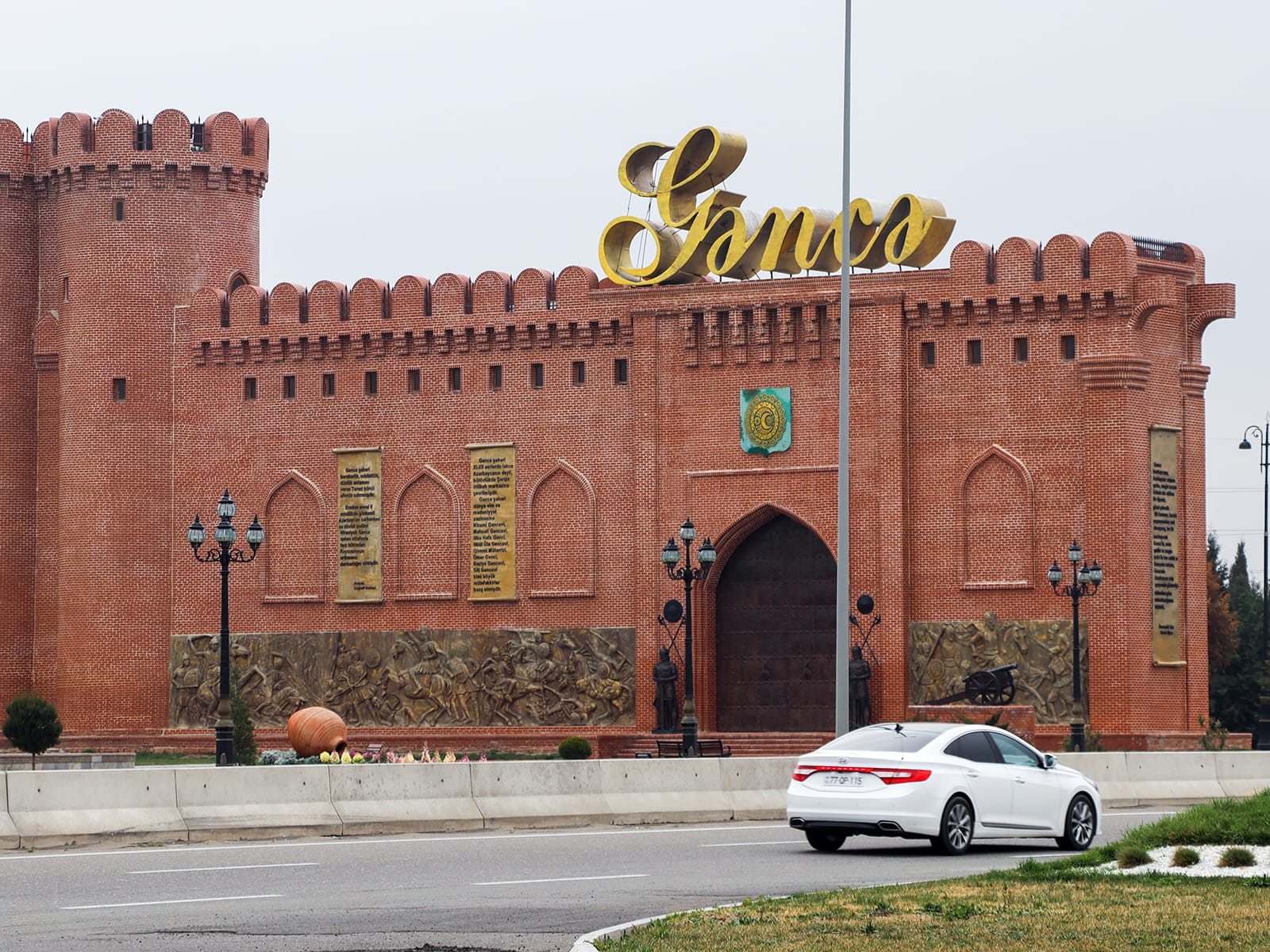
What impressed me most was the famous “Ganja style” with its warm red brick. It is everywhere: from the massive Fortress Gates at the city’s entrance to the cozy, meticulously restored streets in the center. This specific brickwork creates a unique and recognizable aesthetic that is a pure joy to capture through the lens.
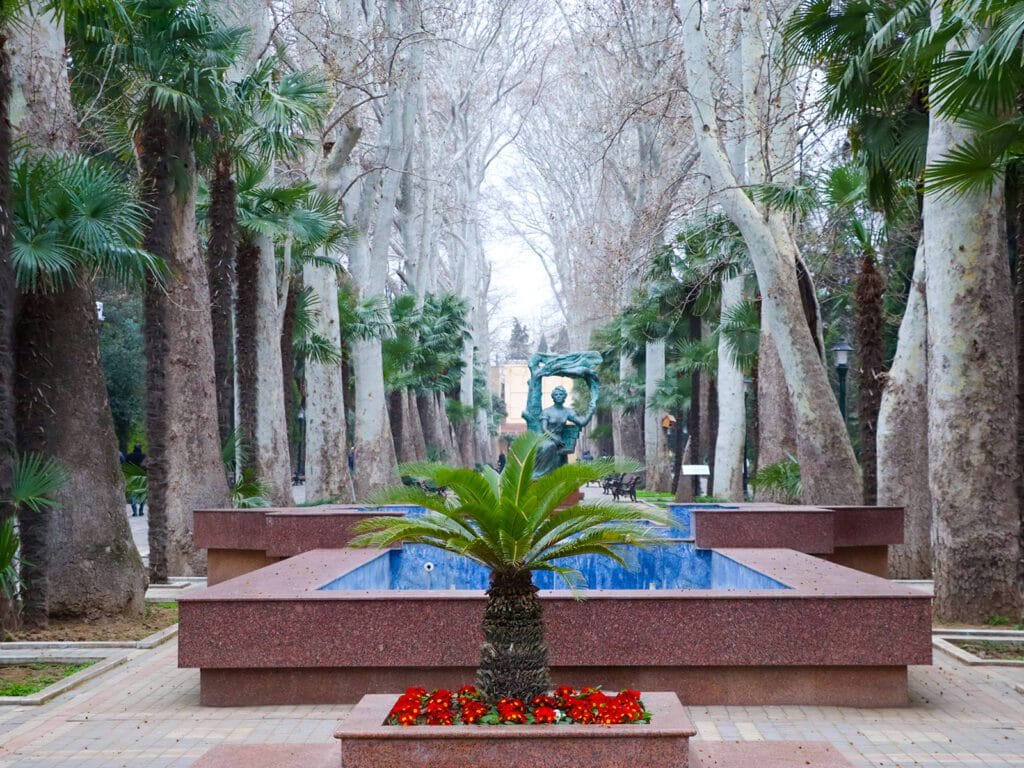
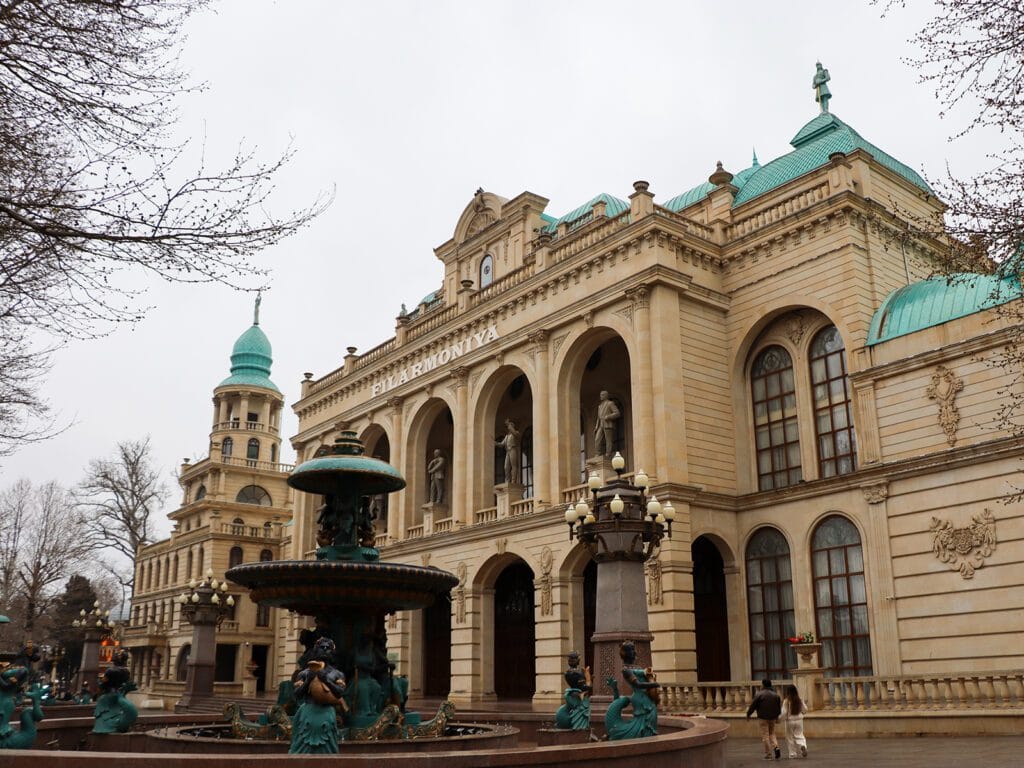
In the heart of the city lies the Khan Garden, one of the oldest parks in the Caucasus. Its massive, centuries-old plane trees create the atmosphere of a natural cathedral, where light and shadow play in perfect symmetry. Just a stone’s throw away stands the Philharmonic Hall, anchored by its elegant arches and iconic teal domes.
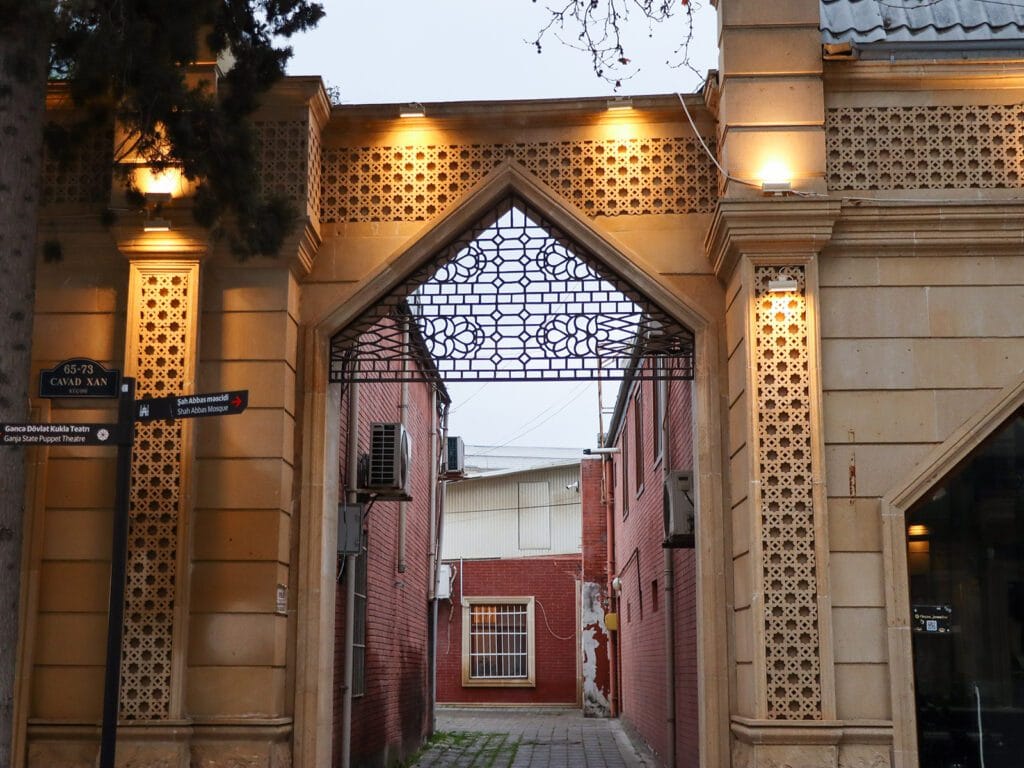
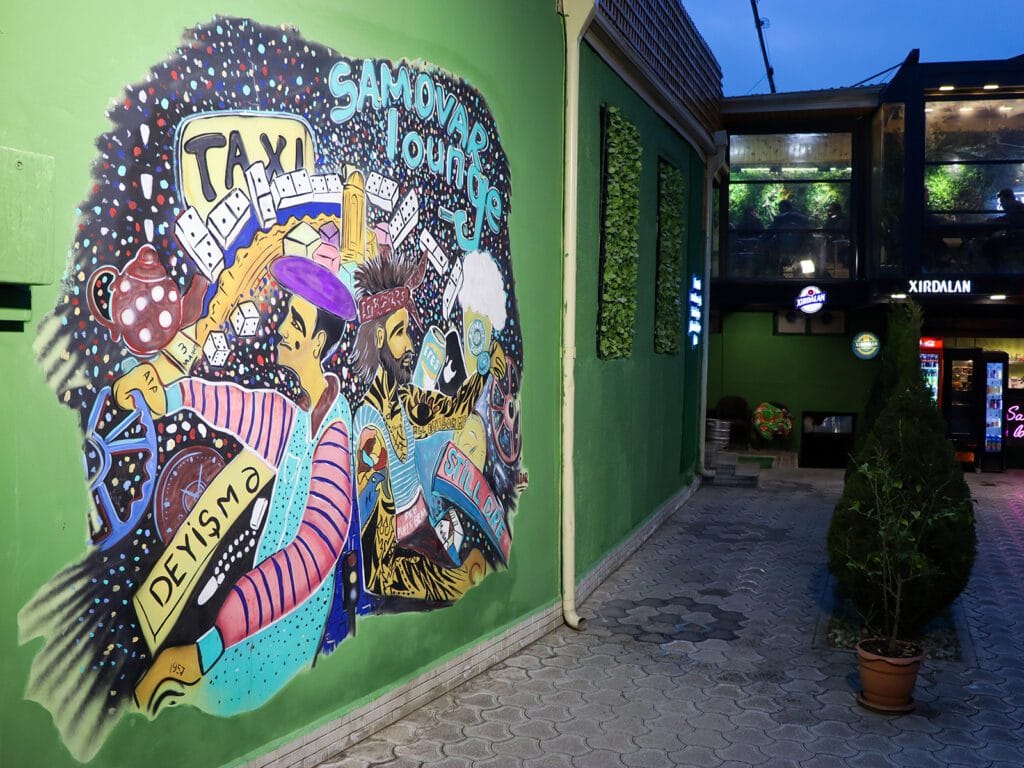
If you wander into the narrow passages of the old town, particularly around Javad Khan Street, you can spend hours admiring the details – intricate stone carvings and oriental arches preserved through time. But Ganja is not just about the past. My attention was caught by the “Samovar Lounge” cafe, where traditional tea culture blends seamlessly with a bold, contemporary street style.
Ganja is living proof that a city can honor its roots while remaining thoroughly modern. Here, a thousand-year heritage becomes the perfect backdrop for the ideas and self-expression of those who live there today.